
Among the reasons people come to a martial art, one is rarely said out loud: I need somewhere to put what I am carrying.
The question is legitimate and the answer is not the one most people expect.
What a martial art does not do with anger
It does not remove it. An hour of training does not empty anger like a container. If you arrive angry and leave calm, something else happened, and it was not emptying.
It does not encourage it. The idea that a martial art teaches aggression is wrong, and in a properly run hall the opposite is true.
It does not replace treatment. If the anger stems from trauma, burnout or a mood disorder, training helps but does not heal.
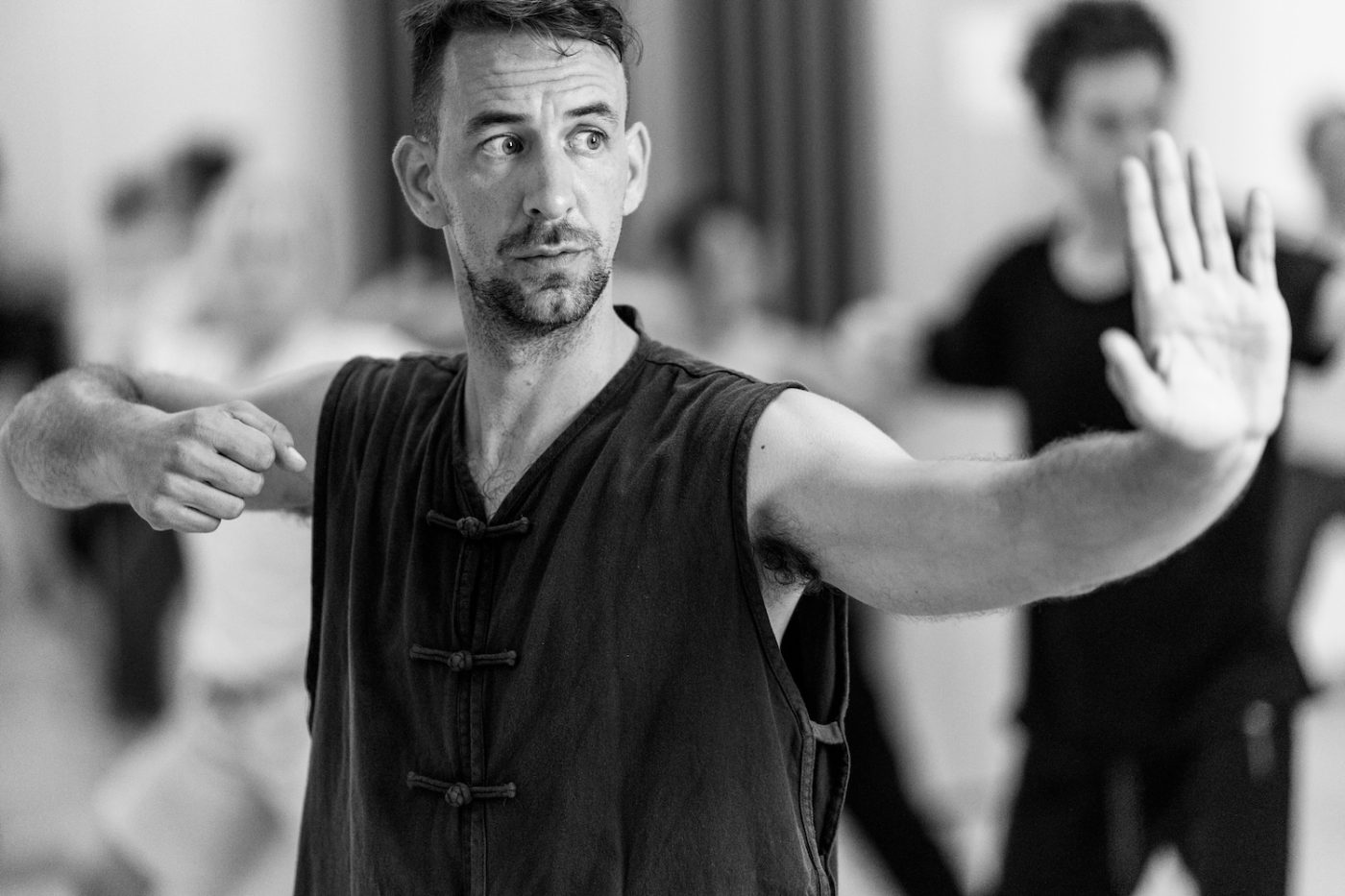
Why hitting a bag is not the answer
The “release valve” idea is appealing and poorly supported. The research on catharsis is fairly consistent: undirected expression of anger tends to maintain or amplify it rather than settle it.
Ten minutes of wild bag work leaves the body highly aroused, the breath shallow and the head in the same pattern, only more tired. Next time the threshold is lower, not higher.
That does not mean striking is useless. It means it is useful when it is technical - with precision, breath and controlled power. Then it is not a discharge but work.
What actually happens
The stress cycle completes. Anger is physiologically a state of readiness for action. With no action, it stays in the body. An hour of demanding training gives it a finish, after which recovery follows - and that, rather than emptying, is why you are calm afterwards.
The breath regains control. The first thing lost in anger is the exhale. Training in which the breath is continuously present breaks into that pattern.
Response under pressure gets practised. Here is the core. When someone in a partner drill comes into your space and presses, the body does exactly what it does in anger: the breath closes, vision narrows, muscles clamp. The difference is that in the hall it happens within controlled limits, with the option to stop, and often enough for the response to settle.
A gap opens. After a few months you notice anger before you act on it. The delay is half a second. That is all that is needed.
The soft overcomes the hard. The gentle overcomes the rigid.

Why a martial art beats running for this
Running closes the stress cycle, and that is a great deal. What running does not do is train a response to another person.
Anger is almost always interpersonal. A drill in which someone genuinely presses on you and you have to stay soft is the only safe place where that particular skill can be practised.
Which is why many people who came because of tension say, a year on, that what changed most is how they talk at home.
What this means in the hall
The rules are strict for exactly this reason. An agreement before every drill, the word “stop” that ends everything, controlled power, pairs assigned by the teacher. These are not bureaucratic constraints - they are the condition that makes pressure useful rather than harmful.
Anyone who comes intending to hit someone will not be doing that here. Anyone who comes intending to understand what their body does under pressure is in the right place.
What you can realistically expect
After every session: a few calmer evening hours.
After two months: better sleep and lower baseline tension.
After six months: half a second of delay between what triggers you and how you respond.
It sounds small. In practice it is as much as anyone gets - and enough for a good deal else to sort itself out.


