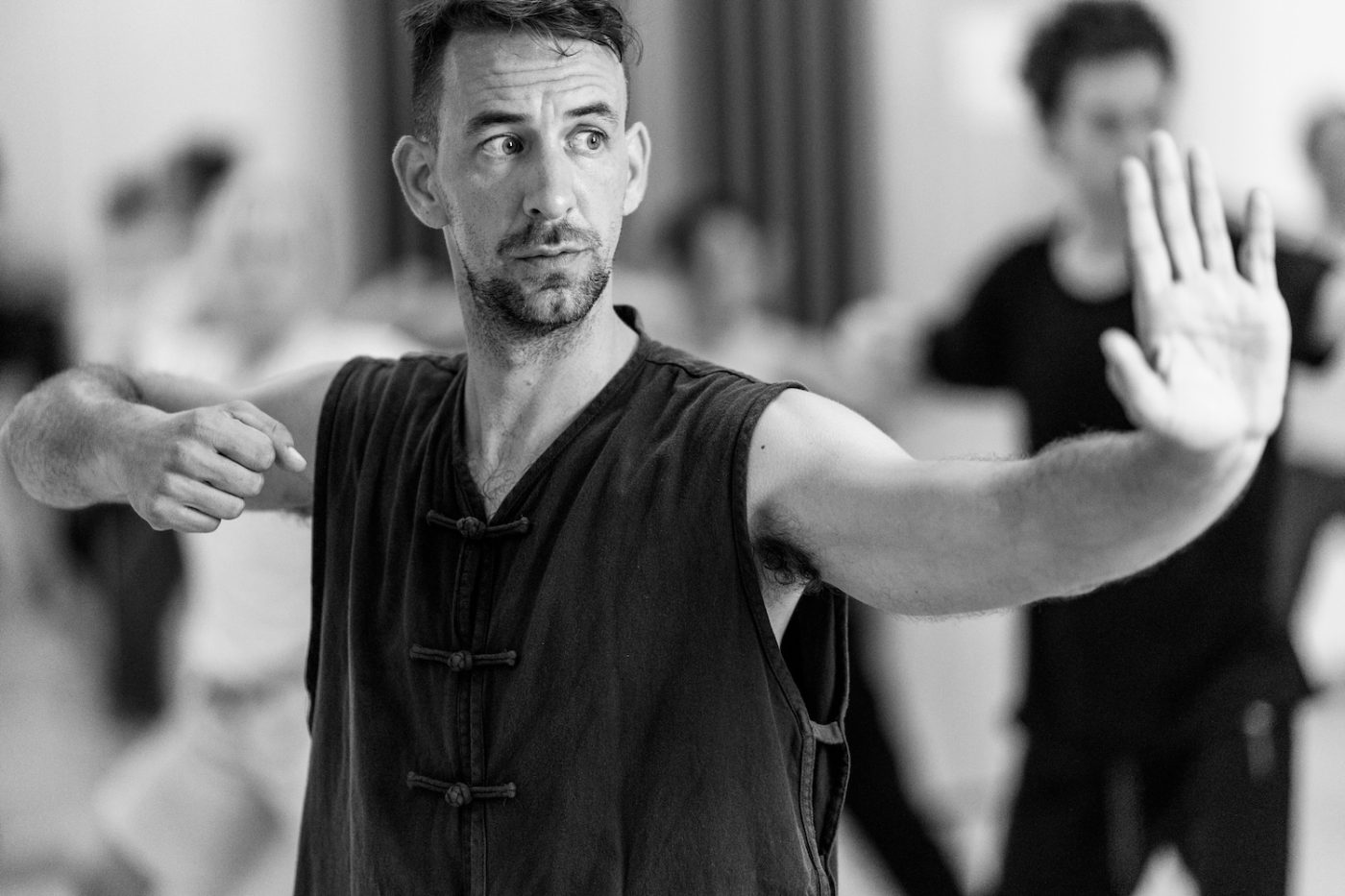
The question comes up every other month, usually from someone with a sports background: when are the competitions. The answer is that there are none, and since that is not self-evident, it deserves an explanation.
What competition does to a school
Competition is not neutral. Once a school enters it, four things change within a year, and none of them is a decision anyone consciously made.
The curriculum bends to the rules. What is scored gets trained; what is not scored drops out. That is necessary and understandable, but it means the content of the art is set by a rulebook rather than by the art.
The group stratifies. There come to be those who compete and those who do not. The first group gets more attention, because they represent the school. The second group notices, even if nobody says anything.
The pace of progression accelerates. A competition calendar has deadlines; a body does not. A form that would need a year gets learned in four months because there is an event in March.
The measure moves outward. “Have I progressed” becomes “where did I place”. For some people that is motivating, and for others it is precisely what they came to training to escape.

What we lose by it
It is fair to start here, because the loss is not small.
We lose an external measure. A student has no objective confirmation of where they stand. Progress is slow and largely invisible, and for many people that is harder than a hard session.
We lose the pressure that raises the level. A competitor does things a non-competitor does not - because there is a date. Without a date it is easier to stay at a comfortable level.
And we lose the experience of performing, which has value in itself: standing in front of people, being judged, losing and coming back next month. That does not exist in a hall without competitions.
What we gain
Nobody is peripheral. That is the biggest difference and you see it in the hall immediately. With no team selection, there is no reason for the teacher to work less with a fifty-five year old than with the fastest twenty year old. Both are there for the same reason.
The curriculum stays whole. We train things that would never be scored - slow forms, breath work, meditation, techniques that are useless for performance. In traditional Kung Fu that is half the content.
Progress is measured inward. The question is not whether you are better than the person beside you, but whether you stand lower than six months ago and whether you are breathing where you used to hold your breath. That is slower and more reliable.
People stay longer. A competitive career ends - at thirty, at an injury, at the first year without results. Training that was never tied to a result does not end with anything.
Does this mean we do not spar
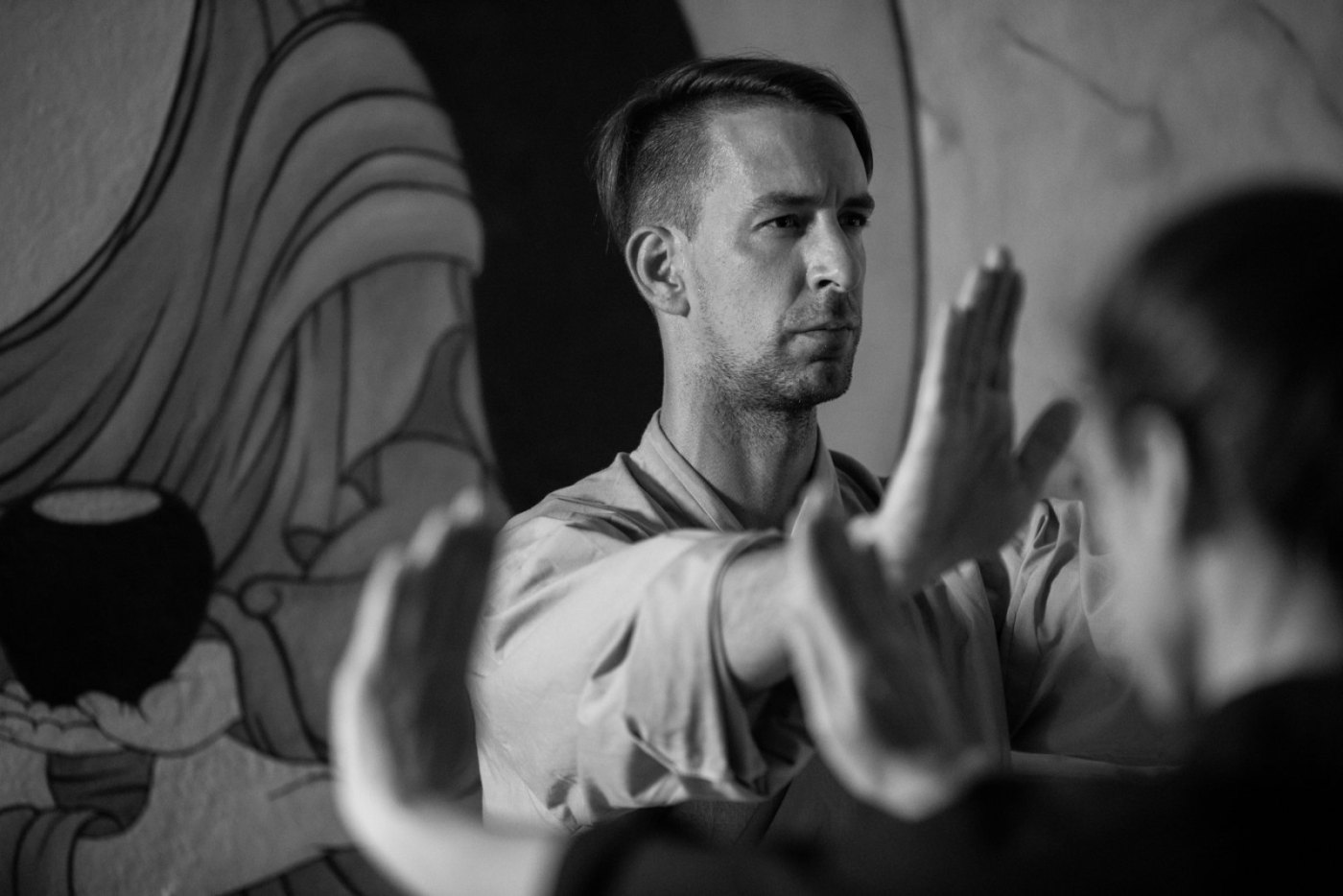
No. Sanshou is part of the programme, and in it we spar with protective equipment, under rules, and seriously.
The difference is purpose. Sparring here is a test of technique, not a measure of strength. Nobody counts points, nobody wins, and afterwards nobody knows who was better - what is known is what did not work for whom. That is more useful information.
Who this is the wrong school for
For someone who needs a date and an opponent in order to train seriously. There are plenty of such people and there is nothing wrong with it - competitive sport works better for them than anything else would.
If you know about yourself that you ease off without an external goal, we will honestly point you toward a club that competes. Better that than discovering after six months that you are missing something we cannot give you.


