
Almost every student tries to practise at home. Almost every one stops within the first two weeks. That is not a character flaw but a consequence of how the practice was set up.
Here are five rules we see in the people who keep going for years.
1. Shorter than feels sensible
The biggest mistake is starting with twenty minutes. Twenty minutes is long enough to require willpower - and willpower is finite.
Start with five. Once five minutes becomes as unavoidable as brushing your teeth, you can extend it. Most people who keep going stay at ten to fifteen minutes forever, and that is entirely sufficient.
The rule that works: two minutes that happen beat twenty that do not.
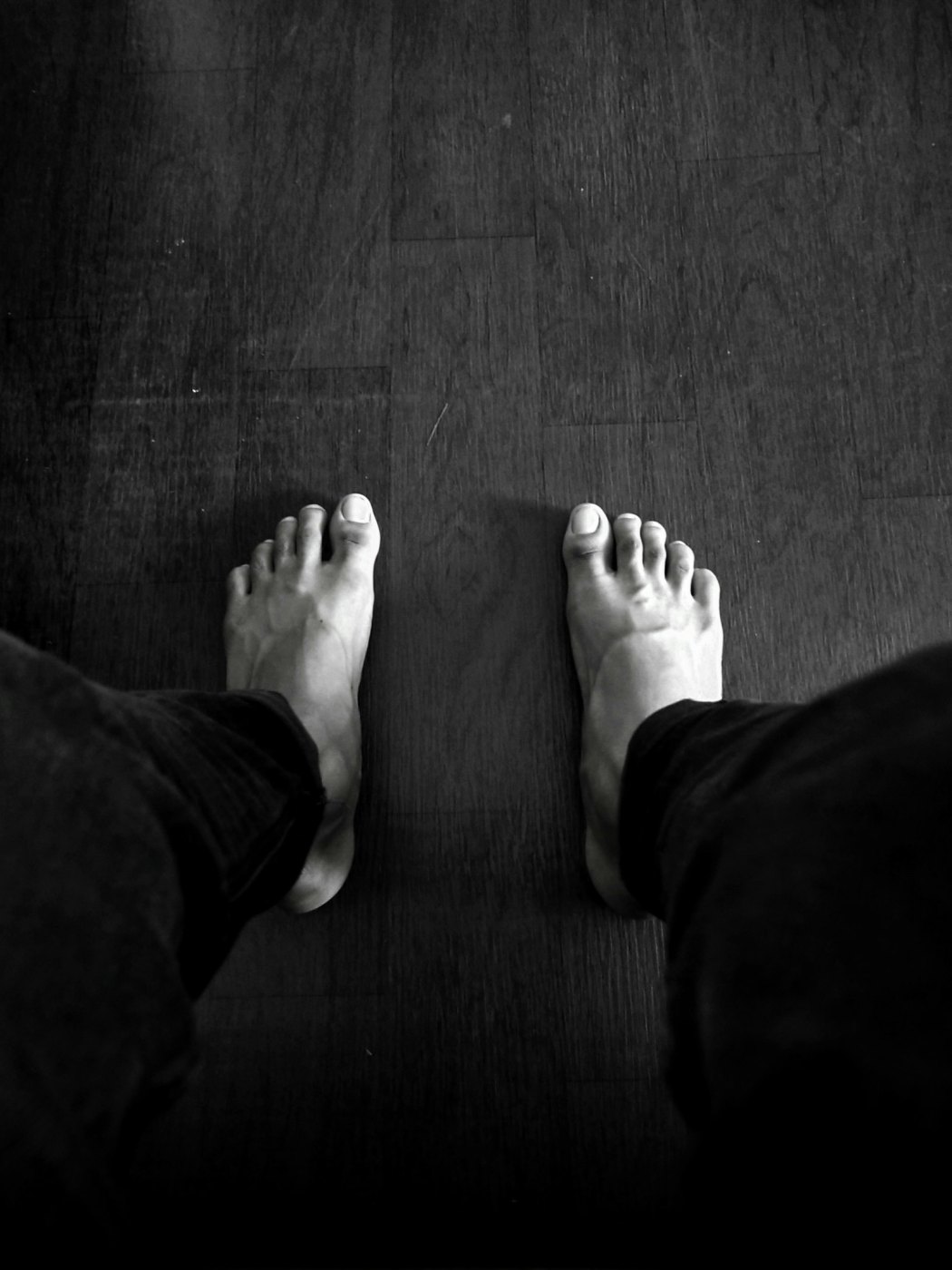
2. Same time, same place
A practice that happens “sometime during the day” does not happen. A practice that happens right after you make coffee does.
Attach it to an existing habit - after brushing your teeth, before the shower, while the kettle boils. A habit hanging off another habit needs no decision.
Keep the space the same and keep it ready. If you have to move a table every time, you will do it for three days.
3. Less content, more repetition
Do not try to do a whole class at home. Pick three exercises and do them for a month.
People resist this because it sounds boring. The boredom is the point - the body learns through repetition, and the first changes arrive once a movement stops requiring attention.
If you want variety, you get it in the group class. At home, do the same thing.
It does not matter how slowly you go, so long as you do not stop.

4. Do not measure progress daily
Progress in movement is not linear, and daily measurement obscures it. Today was worse than yesterday - that means nothing.
Instead, record one simple measurement once a month: how many seconds you stand on one leg with your eyes closed, how deep you squat, whether your back hurts in the morning. A monthly reading says something; a daily one just fluctuates.
5. A break is not the end
Every home practice gets interrupted at some point - illness, a holiday, a week when it simply did not happen. That does not matter.
What matters is only whether you start again. The people who practise for years are not the ones who never stopped. They are the ones who started again each time, without making a problem out of the gap.
Practically: after a break, return at half of what you were doing. If you were doing fifteen minutes, do seven. Returning at full load is the most common cause of a second break.
What you cannot do at home
Honestly: you cannot get a correction at home. A video cannot see what your body is doing, and after three weeks of solo practice you will have grooved the errors too.
So home practice works best as a complement to regular group training, not a replacement for it. The group gives corrections and rhythm; home practice gives the repetitions that two hours a week cannot accumulate.
Where to start
If you do not have exercises yet, three from our basic sequence are plenty for the first three months: standing, raising and lowering the arms, opening the chest.
If you want corrections, you get them in the Qi Gong classes at 17:30 at Ziherlova 44 in Ljubljana.


