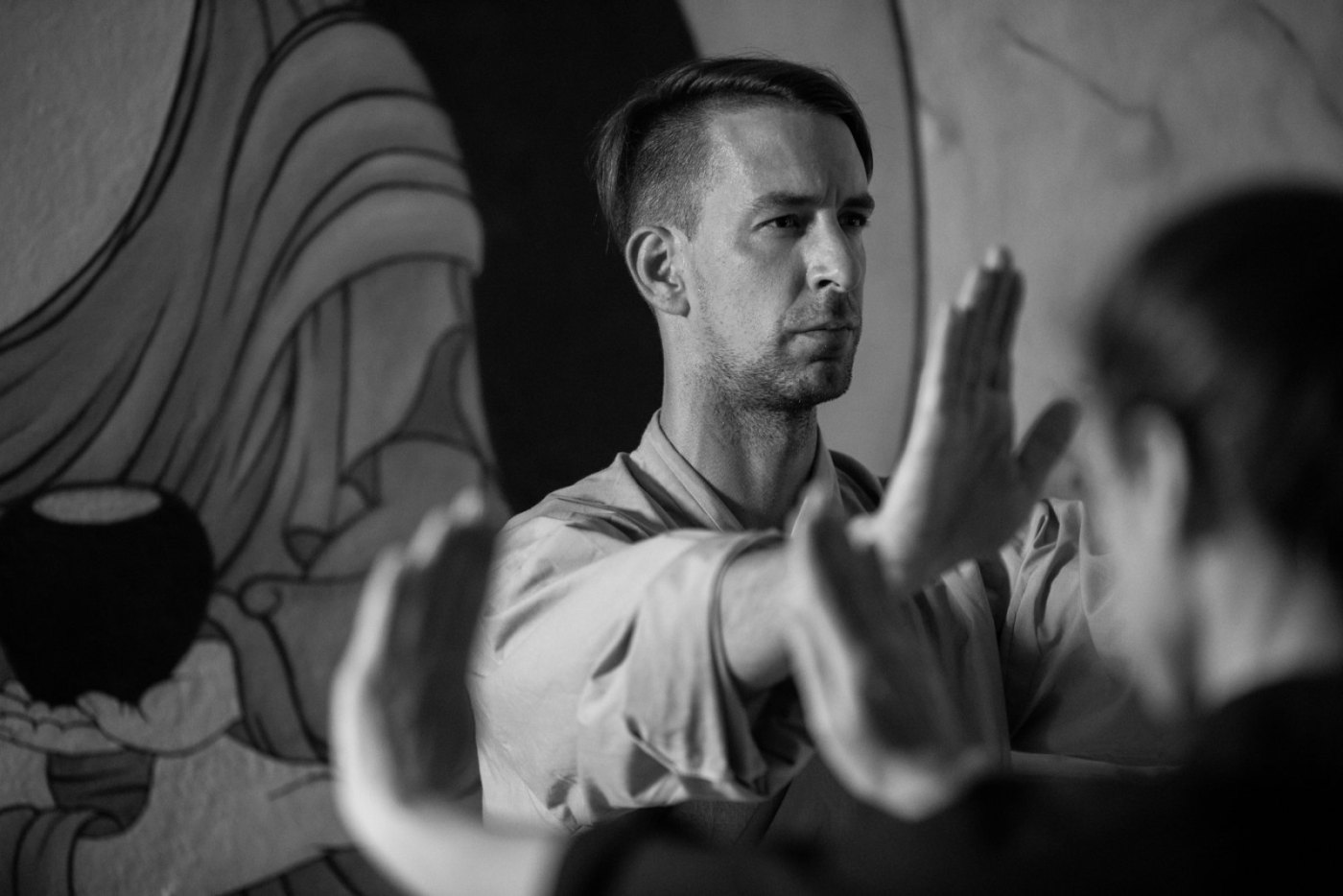
The question about injuries is common and fair, especially from parents and from people past forty. The answer they deserve is not “that does not happen here”, but an honest description of the risks and of what we do about them.
Where people actually get hurt
Contrary to expectation: strikes are a rare cause. The injuries we see fall into three groups.
- Overuse. A knee given too many low stances too soon. An Achilles tendon in someone who spent the previous ten years sitting. By far the largest group.
- Strains in the warm-up. Almost always when someone arrives late and skips the first part of the class.
- Scratches and grazes in partner work. Unpleasant, never serious - and almost entirely eliminated by short nails and removed jewellery.
What we do so it does not happen
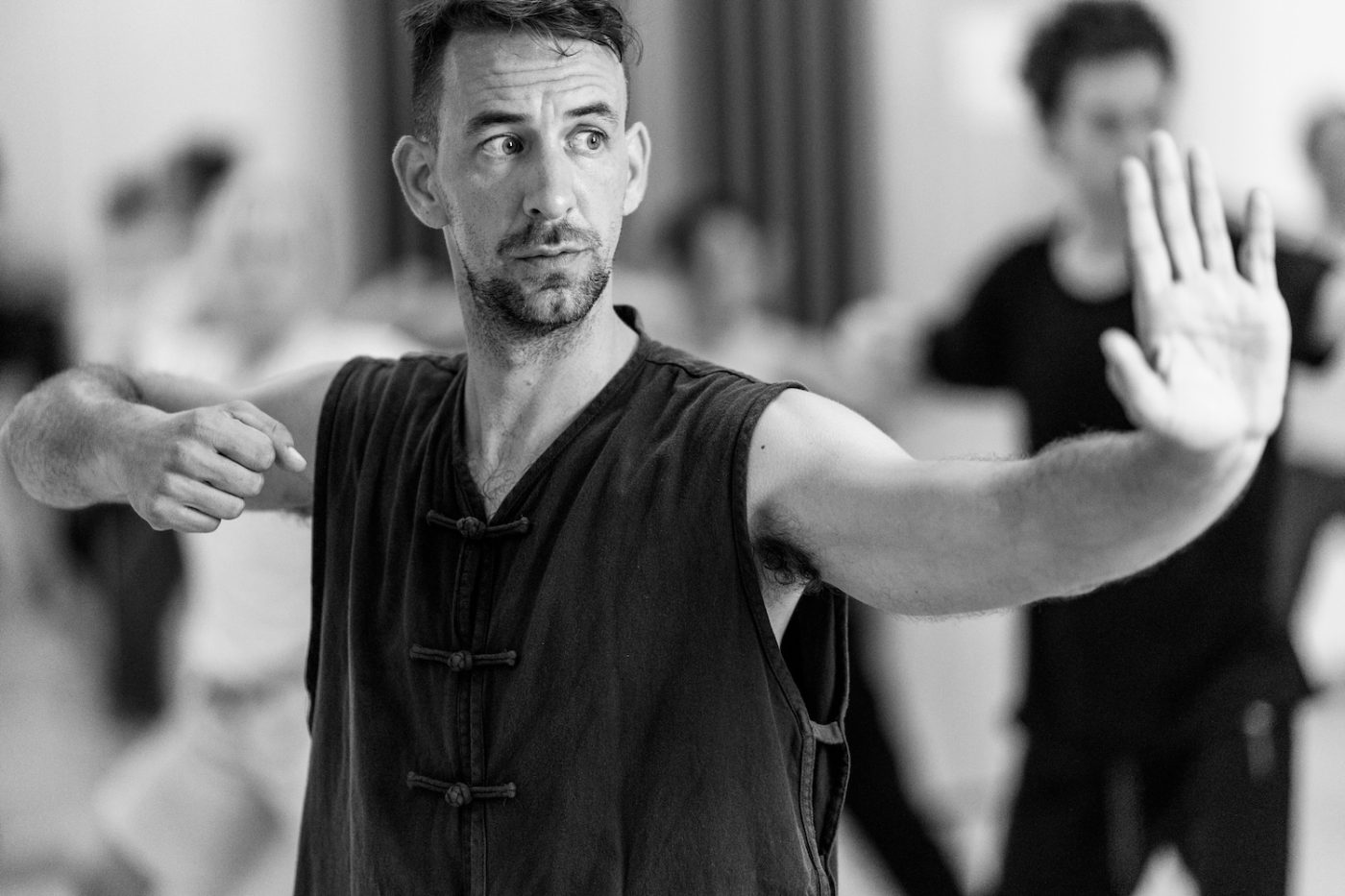
A long warm-up. The first fifteen to twenty minutes go to the joints: rotations, a gradual increase in range, and only then load. This is not time lost before the “real training” - it is the actual reason injuries do not happen. Anyone arriving late warms up separately before joining.
Graded contact. The martial part of a class is not free sparring. Techniques are first practised in the air, then with a partner without force, then with limited force, and only much later against resistance. Nobody moves up a level because they feel like it - the teacher lets them.
Small groups. This is the most underrated safety measure. A teacher with ten people in front of them sees the knee collapsing inward and corrects it before it becomes a problem. With thirty people, nobody sees it.
An injury almost always announces itself. The only question is whether someone in the room notices the announcement.
What you can do yourself
- Arrive on time and never skip the warm-up.
- Mention old injuries on your first visit - knee, lower back, shoulder, anything. That is not an excuse but information, and it changes what you will do that hour.
- Tell effort from pain. Burning muscles are fine. Sharp, pinpoint pain in a joint is not; stop there and say so.
- Do not compete in the changing room. Most adult injuries happen when someone tries to keep up with someone else.

And if it happens anyway
Training is adapted, not stopped. With an injured ankle you can work with the arms and the breath; with an injured shoulder, with the legs and stances. That adaptability is one of the advantages of the Chinese arts: there is always something left you can practise.


