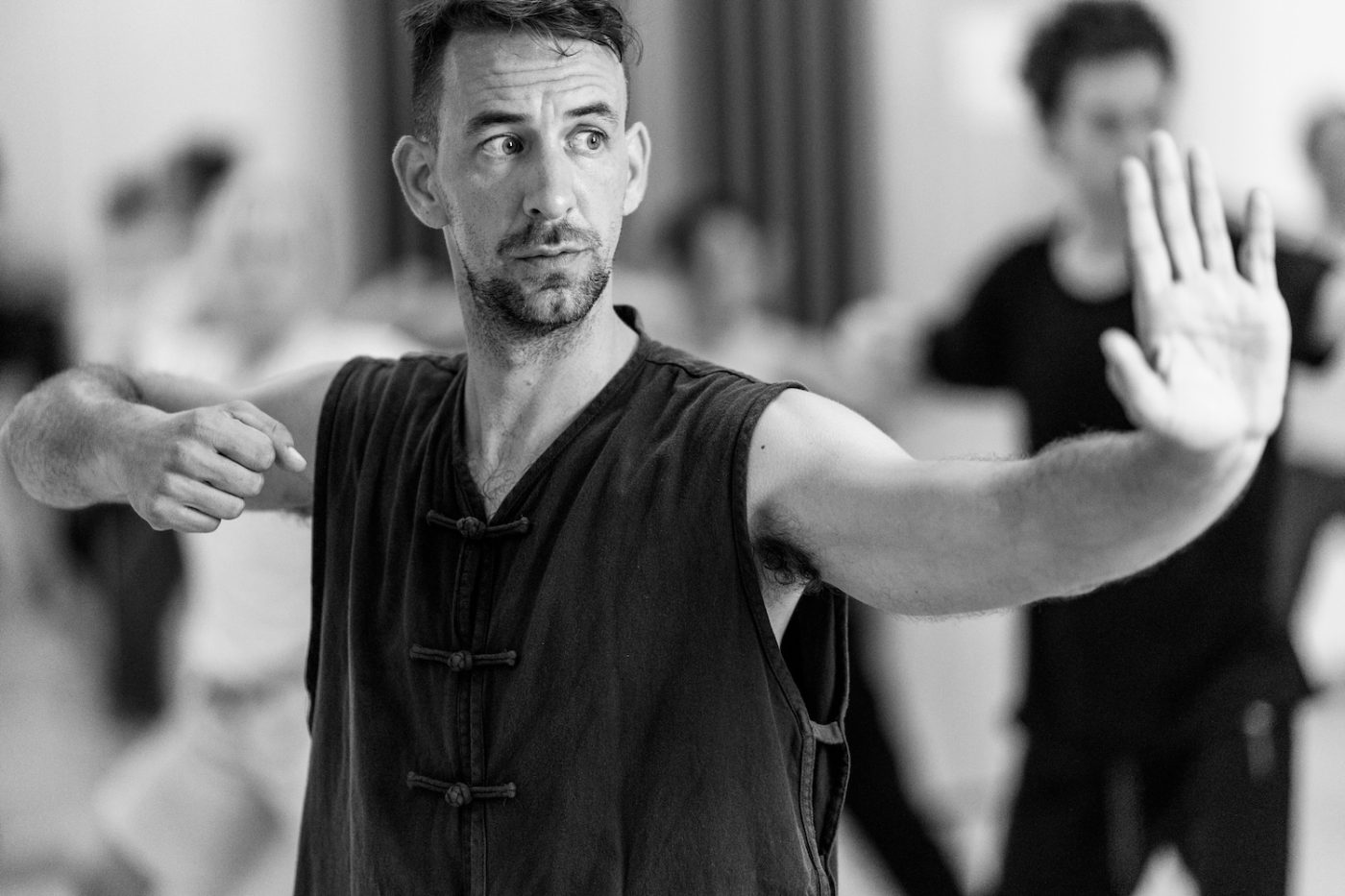
Private hours are usually presented as an alternative to group training. In practice they are most useful as a complement to it - and in that role they are also the cheapest.
One hour every month or two often does more for progress than an extra group class every week.
Why the group alone is not enough
Group training is good at everything that needs repetition, rhythm and people. It is bad at exactly one thing: noticing your errors quickly enough.
In a group of ten, the teacher has roughly six minutes per person. In those six minutes they correct what is most obvious. Everything else - a slightly turned ankle, a shoulder half a centimetre too high, a breath that stops on the third repetition - goes unnoticed until it grooves.
A grooved error is not a disaster, but it is a cost. Undoing one takes considerably longer than preventing it would have.

When to take a private hour
- After three months of training. By then you have enough material to be worth looking at, and not so much that everything needs correcting.
- When something stops progressing. The same movement, the same ache. One close look almost always finds the cause.
- After an injury or a long break. Before you return to the group, not after.
- Before a grading, a demonstration or an event. An hour aimed at one thing.
- When you add new content. Moving from Qi Gong into Kung Fu, or entering Sanshou, goes more easily with an hour of introduction.
How to prepare
You take considerably more from a private hour if you arrive prepared. That means three things.
- Bring one question, not ten. “Why does my left knee always hurt in this form” is useful. “I would like to be better” is not.
- Know when the problem appears. Always? Only when tired? Only on one side? That detail often solves half the work.
- Arrive rested. A private hour demands concentration. After a hard day you will get half of it.
It does not matter how slowly you go, so long as you do not stop.
What we do in an hour like that
Not new material. New things are learned in the group, where there is time for repetition.
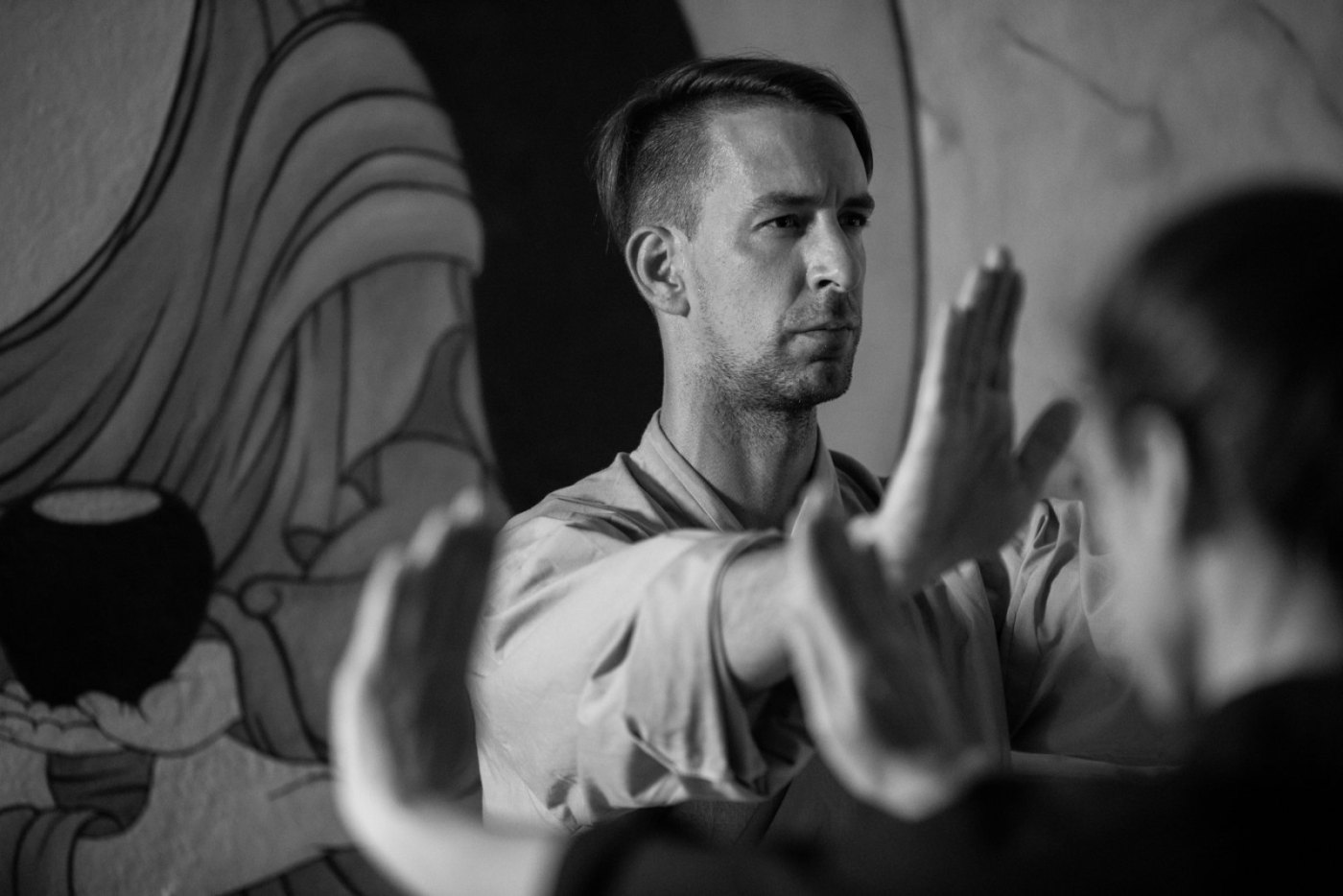
In a private hour we do disassembly: the movement comes apart, we find where the structure is lost, and we put it back together. It frequently turns out that a problem you feel in the shoulder originates in the foot.
The second half is transfer: how to keep what we just corrected in a group class, where nobody is there to remind you. That produces one or two exercises for home.
What happens afterwards
Your next group class will probably be worse. That is normal and expected - you are changing a movement you have done a certain way for months, and the transition is awkward.
After two or three group sessions the new version settles. That is when you notice the difference, not before.
How much and how often
For someone training regularly twice a week, one private hour a month or two is optimal. More often is unnecessary, because there is not enough time between hours for a correction to settle.
The exception is a period after an injury or before a specific goal, when three or four hours in quick succession make sense, followed by a return to the slower cadence.
Practicalities
You do not need to buy a package and you do not need a regular slot. One hour when you need it - arranged around your schedule, daytimes and weekends included.
Write and tell us what is in the way, and we will tell you whether a private hour is even the right answer to it.


