
When someone of sixty-five calls us, the conversation almost always opens with an apology: “I am probably too old.” You are not. The Chinese arts are among the few that can sensibly be started at this age - not as a pale version of the real thing, but as training that was always meant for this age too.
What genuinely changes after sixty
Three things worth looking at honestly. Balance declines, because sensitivity in the feet decreases and corrective reflexes slow down. Muscle mass falls, fastest in the legs and fastest in those who sit. Recovery takes longer, which means moderate daily practice beats two hard sessions a week.
What does not change: the ability to learn movement. The body learns new sequences at seventy too, only more slowly and with more repetitions.

What we keep
- The warm-up and joint rotations in full - the most important part of the class, and more so after sixty than before.
- Stances, in a higher version. A low stance taken shallow and correctly is excellent training for the legs and for balance.
- Forms. Sequences of movement train memory and balance at once. That is exactly why Chinese parks are full of people practising them at eighty.
- Qi Gong and breath work - without restriction, since that is what it was designed for.
What we leave out
Jumps, falls and full-contact sparring. Deep stances if the knees will not take them. Long sets without rest. None of this is essential to the art - and that is precisely the difference between Kung Fu and a competitive sport.
After sixty the goal is no longer strength. The goal is to remain the person who climbs the stairs without holding on.
Why balance matters most
Because at this age a fall is an event that can change a life. And balance responds to training faster than almost any other capacity - measurable improvement shows within a few months.
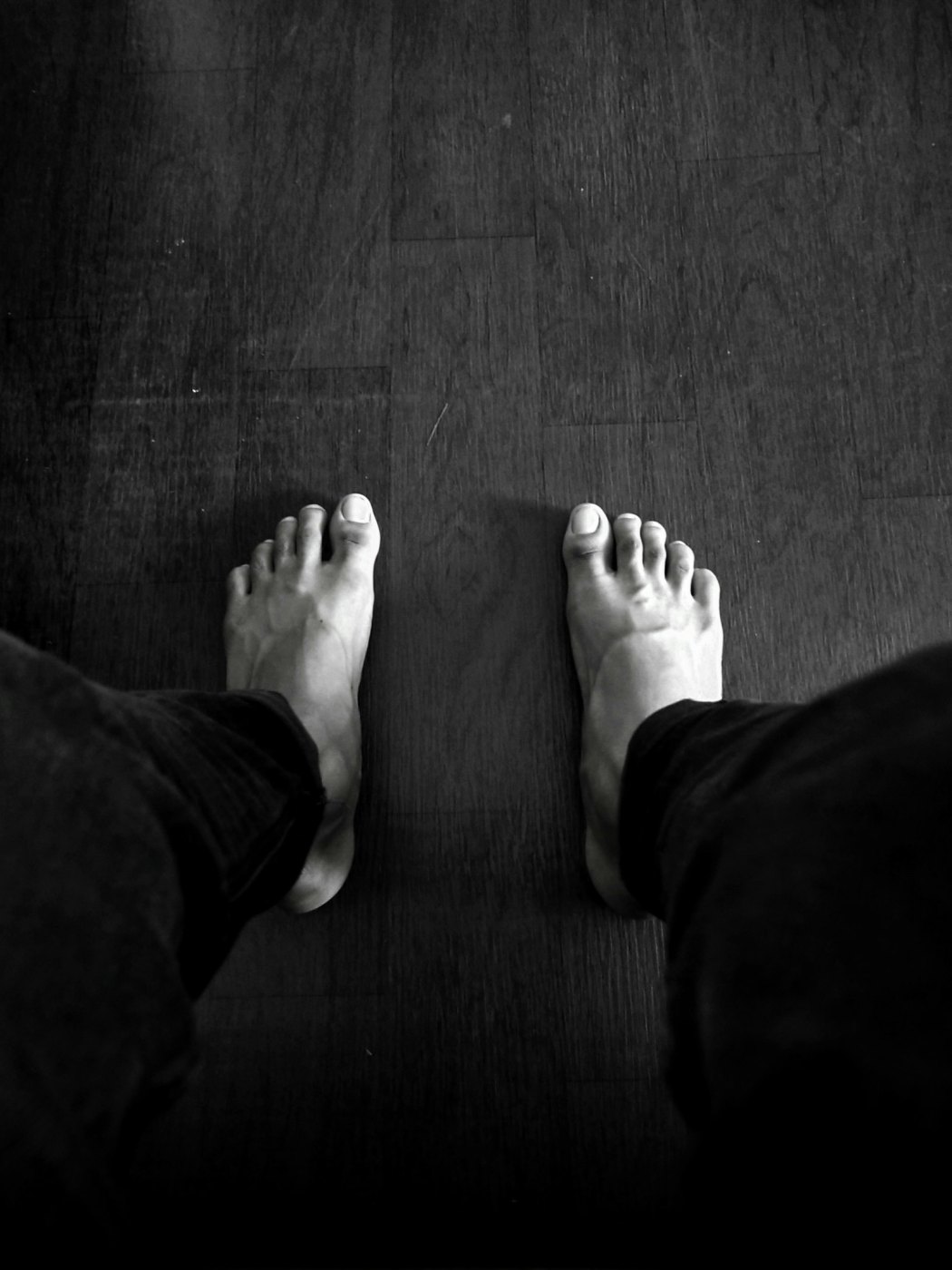
Kung Fu trains it in three ways at once: standing on one leg, transferring weight between stances, and training barefoot, which restores sensitivity in the foot. That last item is the most underrated - the foot is the first organ to detect that you are losing balance.
How to start
We suggest two things. First, begin with a few private sessions, so the teacher can see what your body tolerates and build a version of the exercises for you. Second, then join a regular group - the company and the rhythm matter more for persistence than people expect.
And tell us everything: a hip replacement, high blood pressure, balance problems, medication. None of it is an obstacle, but all of it changes how we build the hour.


